Some people find martial arts. Others are called to it. Bibek Giri's story is one of the second kind — and it started the way a lot of great stories do, with a kid watching something through a fence and thinking, I want to do that.
Bibek was born in Solukhumbu, Nepal — the same region that stands in the shadow of Mount Everest, the highest peak on the planet. There's something fitting about that. The people who come from that part of the world seem to carry a certain grit with them wherever they go. When Bibek was six, his family relocated to Kathmandu, the capital city, and life shifted. New city, new school, new everything. But Bibek adapted. He was always that kid — active, confident, the kind of student others naturally looked toward.
It was after school one afternoon when everything changed. He and his uncle — his mother's youngest brother, close enough in age to be more like a brother — spotted a group of people training outside in white uniforms. Running, kicking, sparring. They were hooked immediately. When they asked how to join, they were told there was a training fee. When they asked mom, the answer was no. She was worried about safety, which is every mother's right. But these two kids weren't ready to let it go. So they stood there and watched. And then they went home and practiced the kicks they'd seen, copying the movements on their own.
Eventually, they went to their father. He said yes. He paid the fees. And for a while, they attended classes without their mother knowing. I love that detail, because it tells you everything you need to know about Bibek's drive — he wasn't waiting for permission from the world. He was going after it.
One month into training, his instructor entered him in a tournament. One month. He wasn't ready, and he knew it. During his first match, he took a jumping back kick straight to the face. He said he heard ringing in his ears. He finished all three rounds anyway. That was his introduction to competition.
Over the next several years, Bibek's path had its interruptions — his first instructor left the country, training centers came and went, walks of thirty minutes each way just to get to class — but he and his uncle kept coming back. By the time they earned their black belts in Taekwondo, Bibek had already been leading classes on his own at twelve years old. His instructor recognized it early: this young man had leadership in him that couldn't be taught.
The next chapter of Bibek's story began with a phone call from a man named Sudip. Because of his education and his English skills, Bibek was asked to serve as a translator and guide for a visiting international instructor — Mr. Tony Misita. What started as a practical role turned into something much bigger.
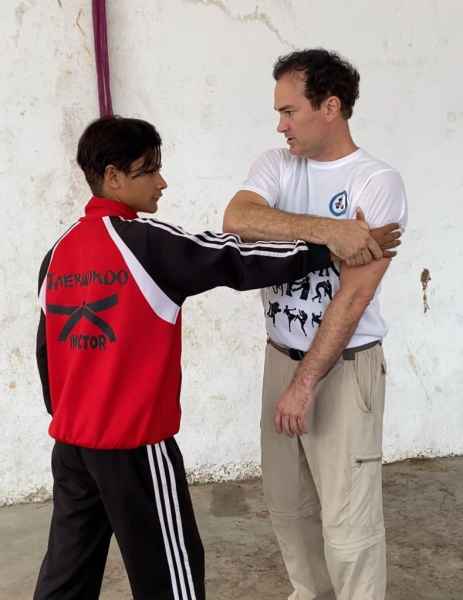
Mr. Misita brought concepts that were new to the training community in Nepal — self-defense applications, pressure point work, goal-setting frameworks woven into the fabric of the curriculum. While others in the room weren't quite sure what to make of it, Bibek was locked in. He saw not just techniques, but a philosophy. Before Mr. Misita left that first trip, the two of them sat down for coffee, exchanged contacts, and stayed connected.
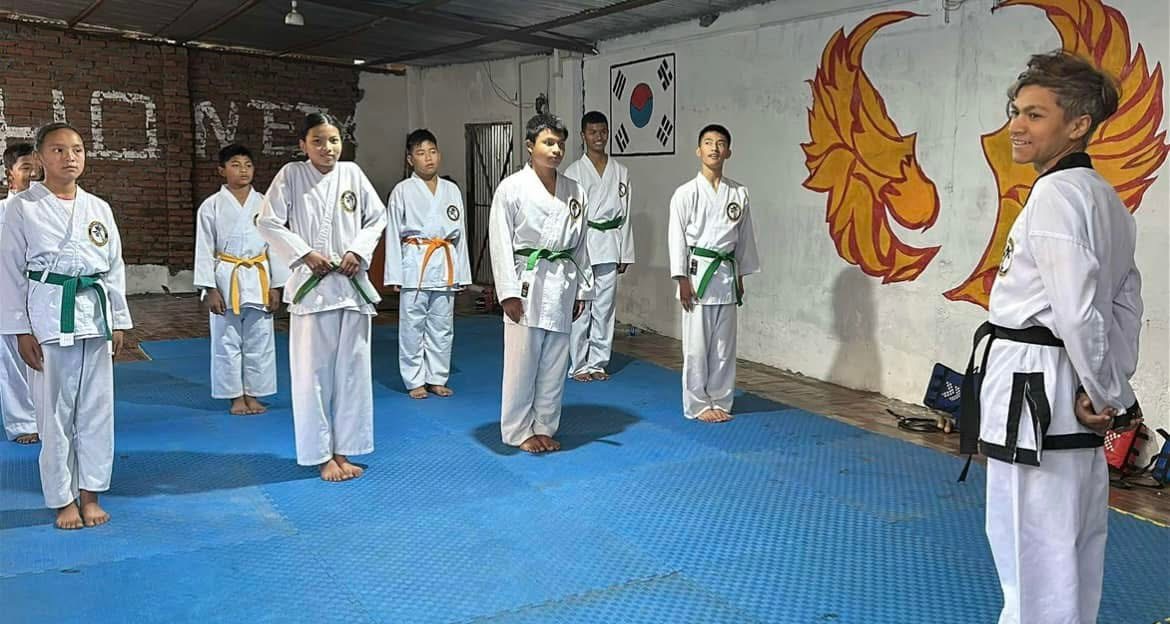
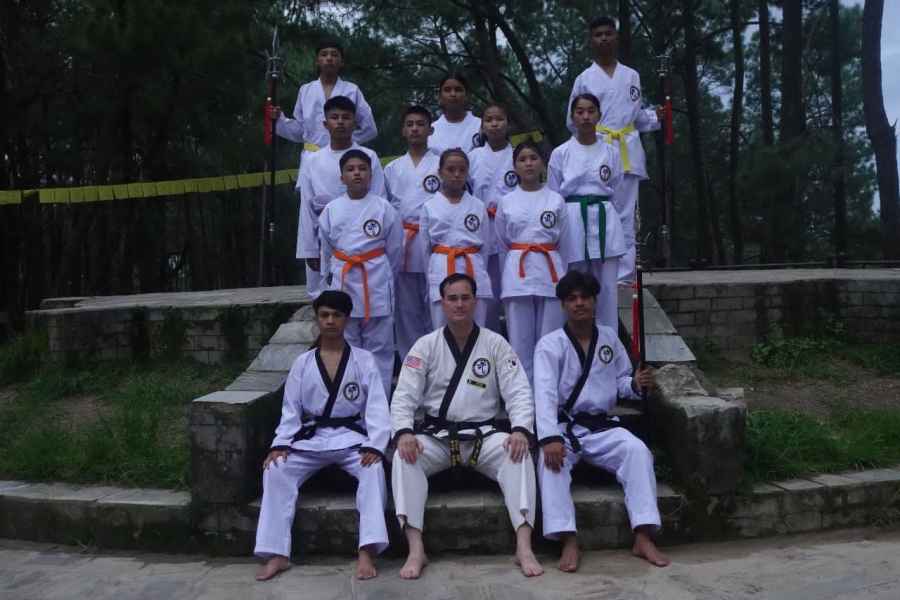
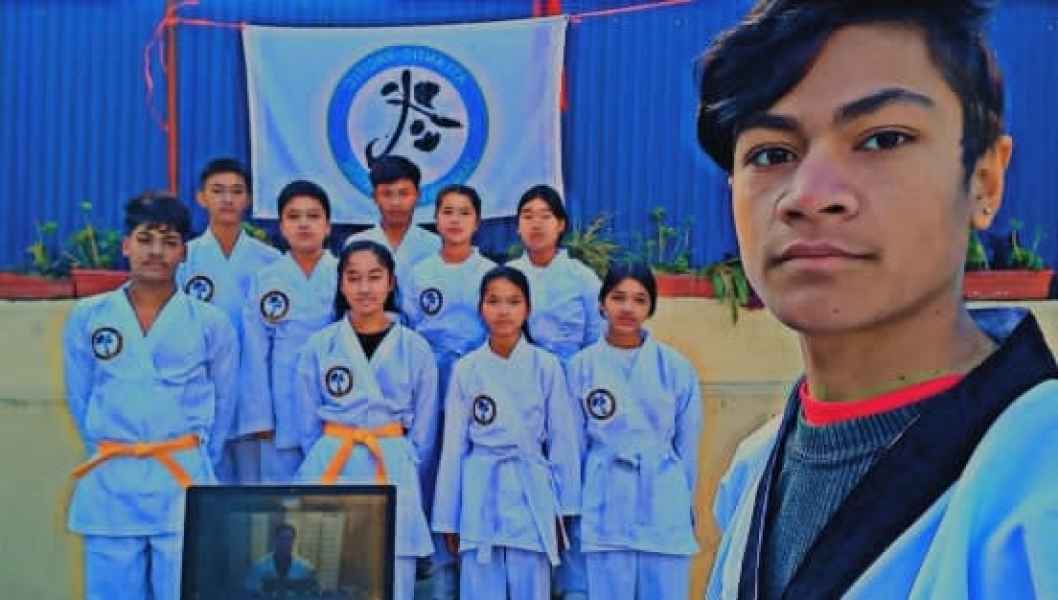
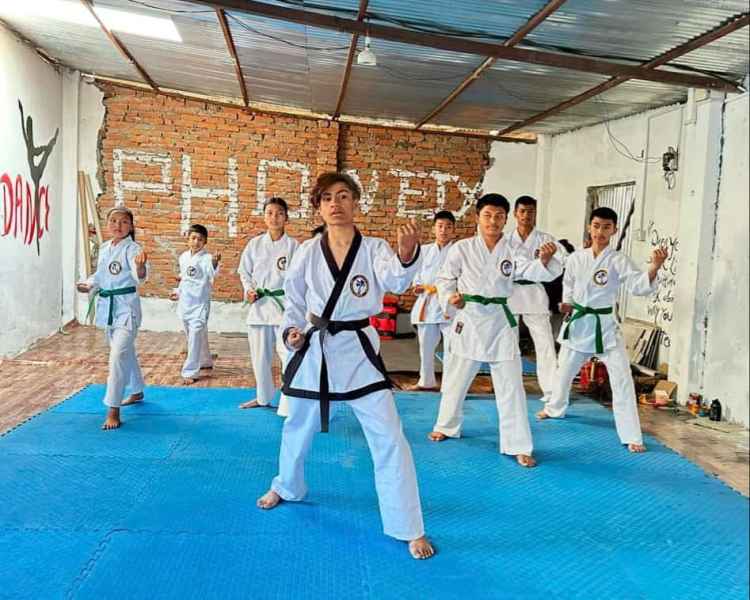
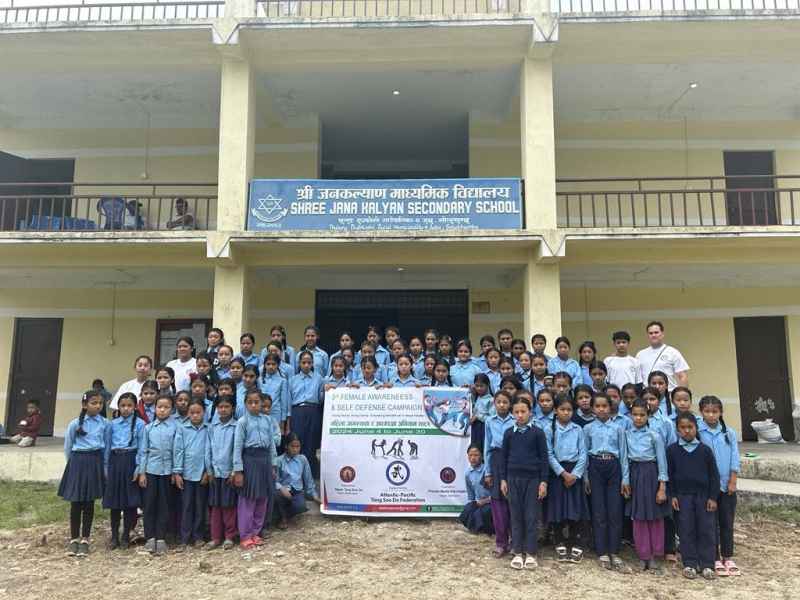
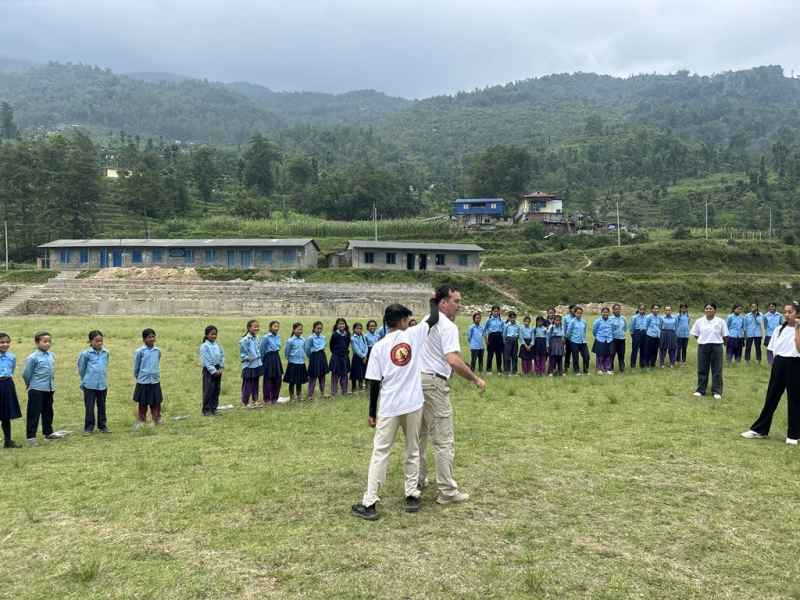
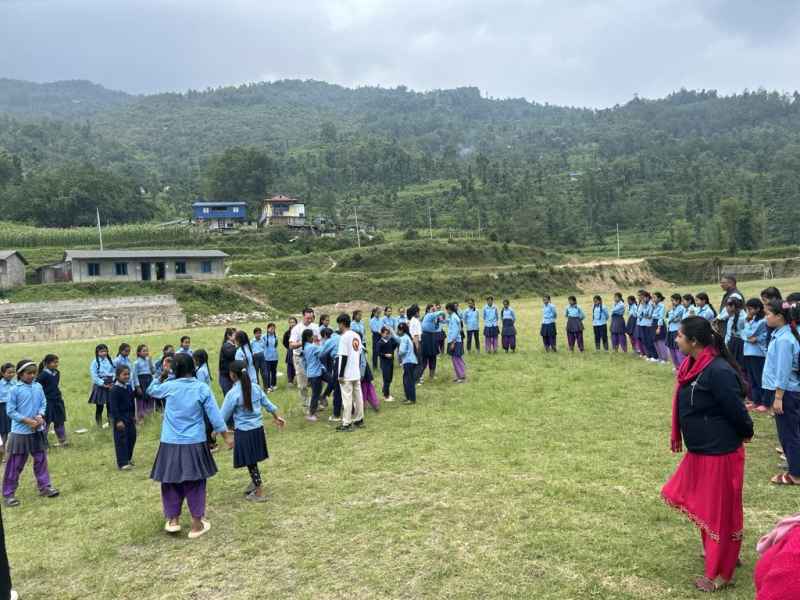
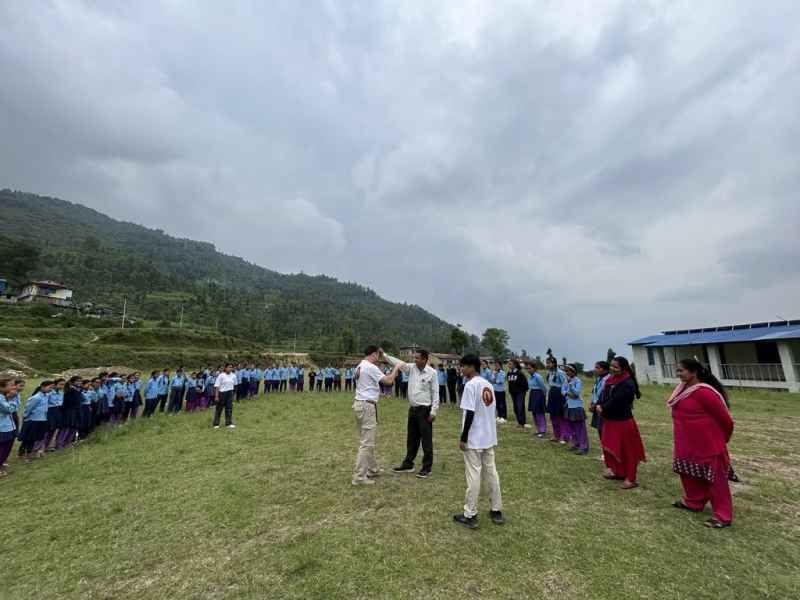
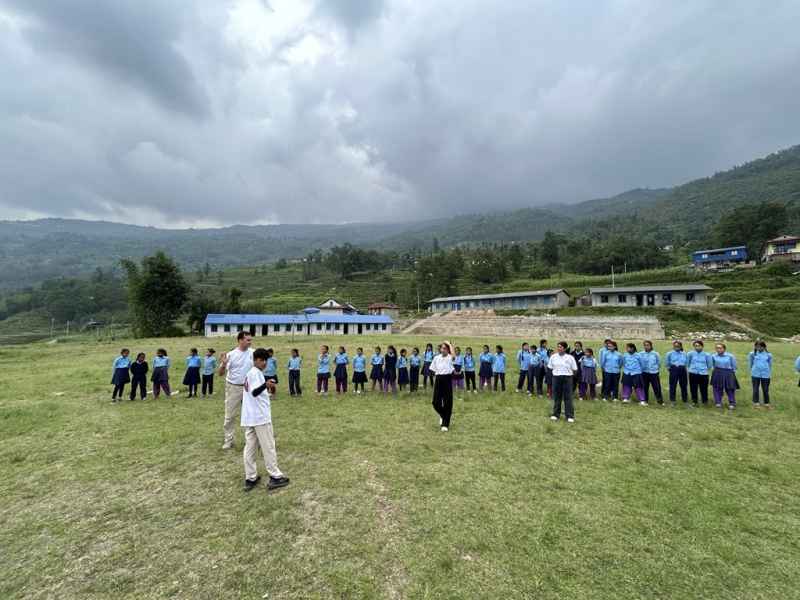
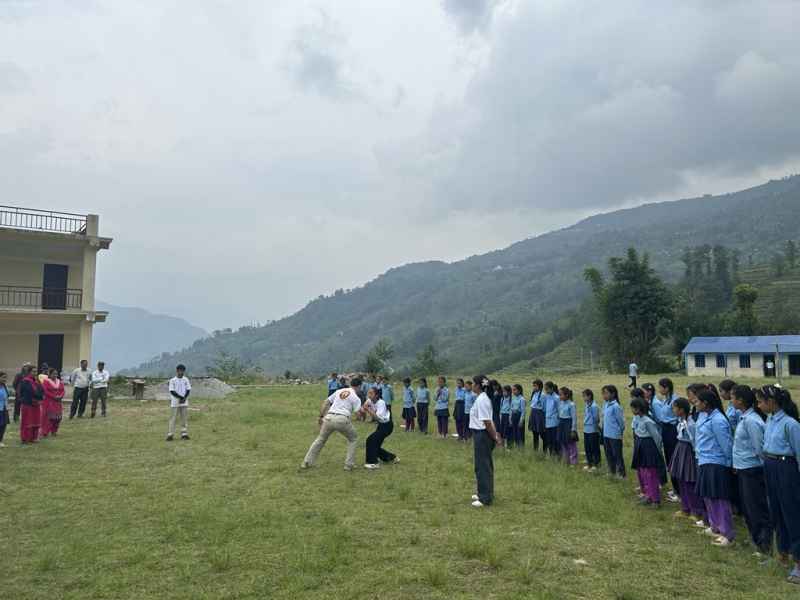
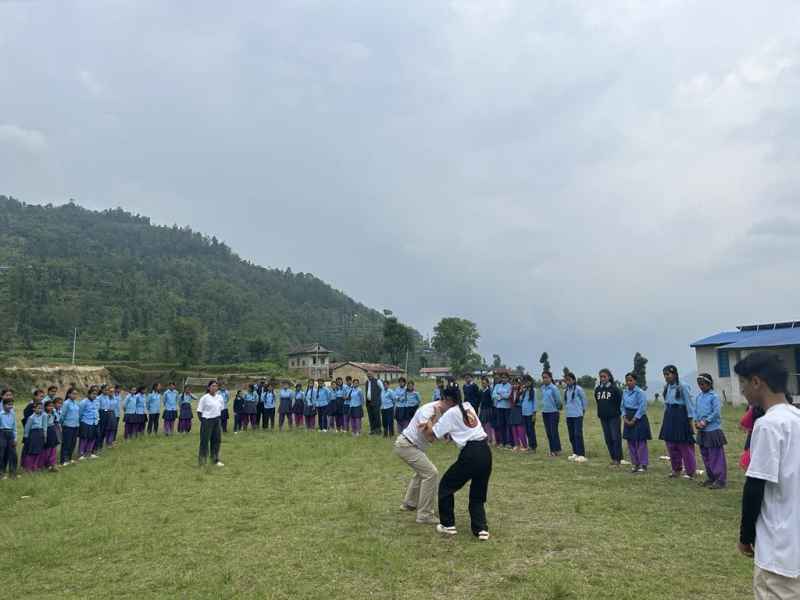
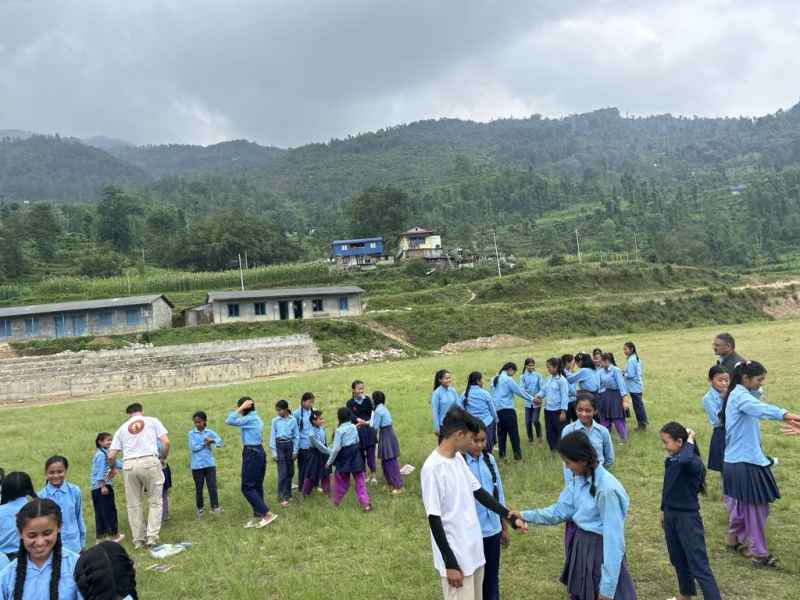
That connection grew into a partnership. Bibek, along with Mr. Ram and Ms. Purnima — training partners he's known for over a decade — became Mr. Misita's first batch in Kathmandu. Together they took Tang Soo Do into communities that had never seen it. They ran self-defense campaigns for women and girls, traveling to schools and rural areas across the Kathmandu Valley. During Mr. Misita's first six-week visit alone, they accomplished things that had never been done before in Nepal. In 2024 and 2025, they pushed further — and one of their most meaningful achievements was bringing CPR training into schools. Teaching young kids how to save a life. That's not small. That matters.
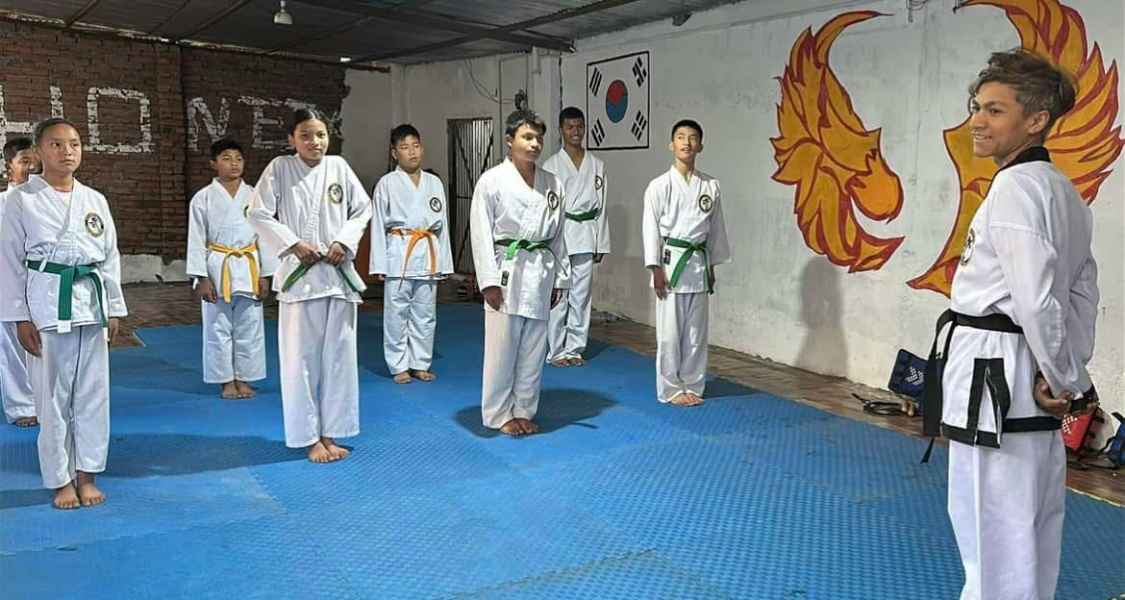
Today, Bibek holds a 1st Dan in Tang Soo Do and a 2nd Dan in WTF Taekwondo. He's currently in his first year of college. He and his team have opened their first training hall in Kathmandu, and the school continues to grow.
One more thing worth mentioning: his mother, who once refused to let him train out of fear for his safety, became one of his biggest supporters. She even helped cover his exam fees. That's a full-circle moment right there.
Bibek Giri is one of the APTSD Foundation's scholarship recipients and one of our at-risk youth instructors in Nepal, working under the direction of Mr. Tony Misita. His story is exactly the kind of story this foundation exists to support — and we're proud to tell it.
Joomla Gallery makes it better. Balbooa.com